

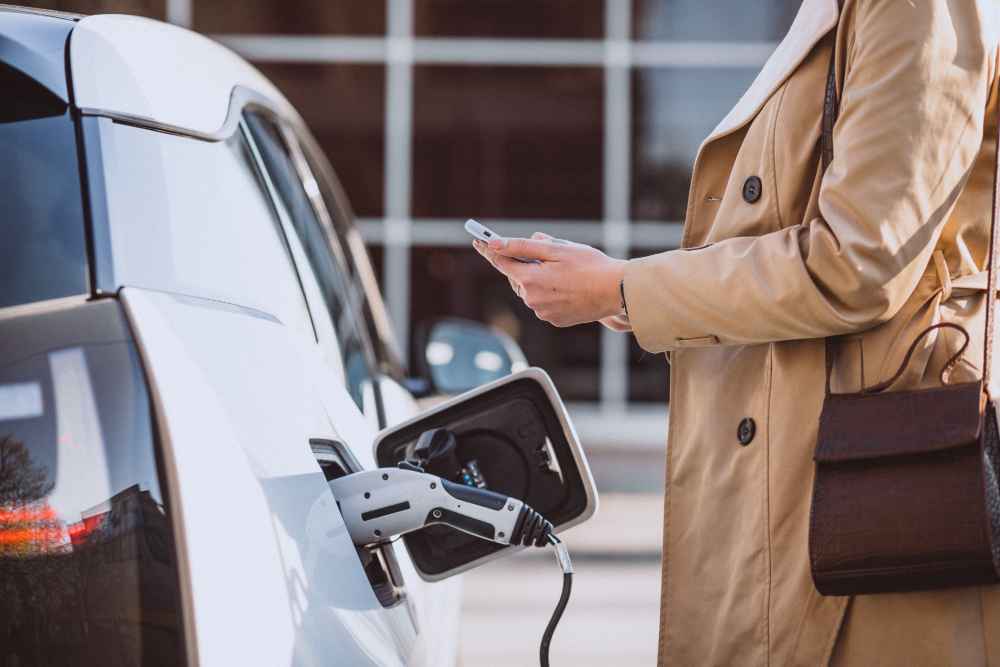
EV charging cost is one of the first things people worry about when they buy an electric car. You probably ask yourself questions like:
- “How much will my monthly electricity bill go up?”
- “Is it cheaper to charge at home or at a public station?”
- “How do I even calculate the cost per charge without a complicated formula?”
- “What’s the real cost difference between Level 1 and Level 2 charging?”
Good news — it’s way simpler than it sounds. Let’s break this down together in a clear, friendly way so you can figure out your actual EV charging cost at home without any guesswork.
Grab a coffee. This will feel more like a conversation than a math class.
What You Need to Know Before Calculating EV Charging Cost
There are only three numbers you need:
- Your electricity rate
(Found on your utility bill, usually shown as cost per kWh) - Your car’s battery size or how many kWh you add per charge
- Charging efficiency
(Not perfect — usually around 85–90% due to energy loss)
That’s it. Once you have these, you’re basically done.
Step-by-Step: How to Calculate EV Charging Cost at Home
1. Find Your Electricity Price (Cost Per kWh)
Check your electric bill for something like:
$0.12 per kWh (national average varies by state)
If you live in California, Texas, New York, or Hawaii, this number may be higher.
If you live in Georgia, Tennessee, or Washington, it may be lower.
2. Check Your EV Battery Size or kWh Used Per Charge
A few examples just to make this real:
- Tesla Model 3 Standard Range: 57 kWh
- Tesla Model Y Long Range: 75 kWh
- Ford Mustang Mach-E: 68–88 kWh
- Hyundai Ioniq 5: 58–77 kWh
If you don’t charge from 0–100% every time (most drivers don’t), estimate how many kWh you actually use daily.
Example: Maybe you add 20 kWh per night instead of filling the whole battery.
3. Use This Simple Formula
EV Charging Cost = Electricity Rate × Battery Size × Charging Efficiency
Charging efficiency is usually 1.10 to 1.15, meaning 10–15% extra electricity is used.
So the full formula becomes:
Cost = (kWh × Price per kWh × 1.10)
Let’s plug in numbers.
Real Examples (So You Don’t Have to Guess)
Example 1: Tesla Model 3
- Battery: 57 kWh
- Electricity rate: $0.14/kWh
- Efficiency loss: 10%
Cost = 57 × 0.14 × 1.10 = $8.77 per full charge
If you get around 260 miles of range, that’s about:
3.3 cents per mile.
Example 2: Charging Only 20 kWh Daily
Maybe you only top up a bit.
- Daily charge: 20 kWh
- Electricity rate: $0.12/kWh
Cost per day = 20 kWh × 0.12 × 1.10 = $2.64
Monthly cost = $2.64 × 30 = ~$79.20
That’s cheaper than most people spend on gas in one week.
Example 3: Level 1 vs Level 2 Difference
Level 1 (regular outlet) = slower but same cost
Level 2 (240V home charger) = faster, slightly more efficient
You won’t pay more per kWh — just changes charging speed.
Factors That Change Your EV Charging Cost at Home
1. Time-of-use rates
Some states charge more during peak hours.
Charging at night can save you a lot.
2. Battery size
Bigger battery = more range = more kWh = higher charging cost.
3. Your driving habits
If you drive 50 miles a day, expect higher daily kWh usage.
4. Home charger type
Level 2 chargers can be more efficient than Level 1.
5. Weather
Cold weather increases battery consumption slightly.
Pro Tips to Lower Your EV Charging Cost
- Charge during off-peak hours (after 9 PM in most areas).
- Use your EV’s scheduled charging feature.
- Keep your battery between 20–80% for better efficiency.
- Install a Level 2 charger for better performance.
- Consider solar panels if you want to reduce long-term cost.
FAQs About EV Charging Cost at Home
1. Is charging an EV at home cheaper than gas?
Yes. Even in states with higher electricity rates, EV charging cost is usually far lower than buying gasoline.
2. Does a Level 2 home charger raise the electricity bill?
Yes, but only because you’re charging faster — not because it costs more per kWh.
3. How much does it cost to charge overnight?
Most EV owners pay $1.50–$4.50 per night, depending on local rates and battery size.
4. Do EVs increase my monthly electricity bill?
Expect $50–$90 extra per month for typical drivers.
5. Is it cheaper to charge at home or at public stations?
Home charging is almost always cheaper than public fast charging.
Final Takeaway
Figuring out EV charging cost at home doesn’t have to be complicated. Once you know your electricity rate and your car’s battery size, you can calculate your cost in just a few seconds. Charging at home is almost always the most affordable, convenient, and predictable option for EV owners. And with smart charging habits, you can keep your monthly expenses even lower.
Understanding your EV charging cost helps you stay in control of your budget, your schedule, and your daily driving costs.