

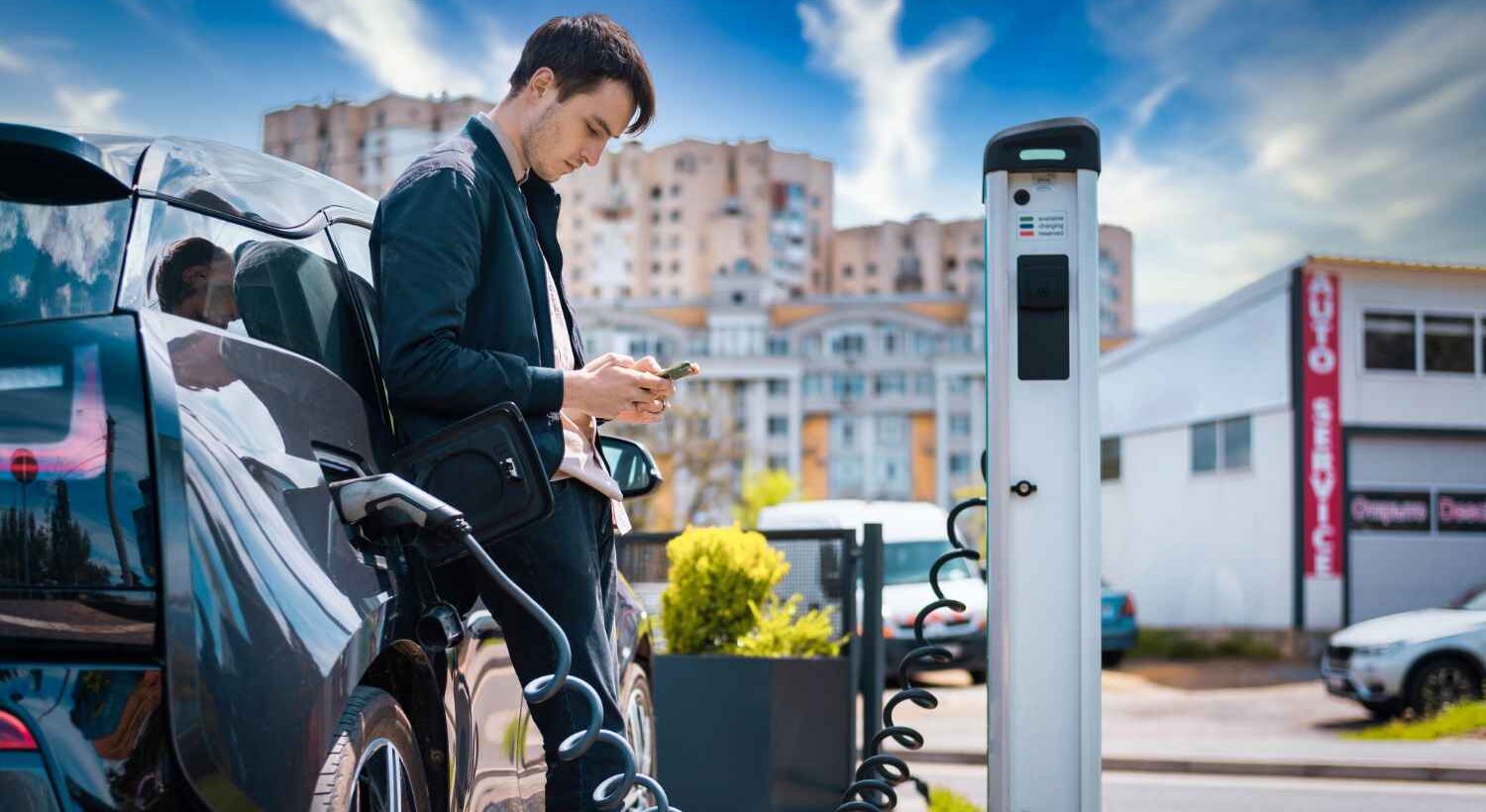
Level 1 Charging is often the first charging method new EV owners experience, but many drivers quickly wonder: Is it actually enough for daily life, or do I need something faster? That question comes up a lot because charging an electric vehicle is not one-size-fits-all. Your commute, home setup, driving habits, and even your weather conditions all play a role.
For some people, Level 1 Charging works surprisingly well. For others, it becomes frustrating within the first few weeks of ownership. The trick is understanding where it fits realistically into everyday EV ownership instead of assuming every driver needs the fastest setup possible.
Let’s break it down in plain English.
What Is Level 1 Charging?
Understanding the Basics of Level 1 Charging
Level 1 Charging uses a regular household outlet, the same 120-volt outlet you’d use for a lamp, TV, or phone charger. Most electric vehicles already include a Level 1 charging cable when you buy the car.
That means you can often plug your EV directly into your garage outlet without installing anything extra.
Simple setup? Absolutely.
Fast charging? Not exactly.
Most Level 1 Charging setups add roughly:
- 3 to 5 miles of range per hour
- Around 30 to 50 miles overnight
- Best suited for low-to-moderate driving needs
For many first-time EV owners, that sounds slow. And honestly, compared to Level 2 charging stations, it is slow. But slower does not automatically mean useless.
When Level 1 Charging Actually Makes Sense
You Have a Short Daily Commute
If your daily driving is light, Level 1 Charging may cover your needs without much stress.
For example:
- Working from home
- Driving under 30 miles per day
- Running local errands
- School drop-offs
- Occasional weekend trips
Imagine someone commuting 15 miles each way. That’s about 30 miles total daily. Plugging in overnight could fully replace that used energy before morning.
In that situation, paying for a Level 2 charger installation immediately may not even be necessary.
You Rent Your Home or Apartment
A lot of renters hesitate to buy EVs because they assume charging infrastructure will be complicated.
But here’s where Level 1 Charging becomes practical.
If you have:
- Access to a garage
- A nearby outlet
- Reserved parking
…you may already have enough to start living with an EV comfortably.
This avoids:
- Electrical upgrades
- Landlord approvals
- Expensive installations
- Dedicated charging stations
For apartment dwellers testing EV ownership for the first time, Level 1 Charging can act as a low-risk entry point.
You Drive a Plug-In Hybrid (PHEV)
Plug-in hybrids usually have much smaller battery packs than fully electric vehicles.
That changes everything.
A plug-in hybrid might recharge completely overnight using standard Level 1 Charging, making it a perfectly reasonable long-term solution.
For many PHEV drivers:
- Charging speed is less important
- Daily battery refill is smaller
- Overnight charging is enough
In fact, many plug-in hybrid owners never upgrade beyond Level 1.
You Want the Lowest Upfront Cost
One of the biggest advantages of Level 1 Charging is affordability.
There’s often:
- No installation cost
- No electrician needed
- No panel upgrades
- No charging station purchase
You simply plug in and charge.
That simplicity matters for people:
- New to EV ownership
- Watching expenses
- Unsure about long-term EV plans
- Waiting before investing in home charging infrastructure
Compared to Level 2 charging equipment, which may cost hundreds or even thousands installed, Level 1 is essentially the “use what you already have” option.
When Level 1 Charging Starts Becoming a Problem
Your Daily Mileage Is High
Here’s where reality catches up quickly.
If you drive:
- 60 miles daily
- Long commutes
- Multiple trips throughout the day
- Rideshare or delivery routes
Level 1 Charging may struggle to keep pace.
You could end up:
- Losing battery faster than you recharge it
- Constantly hunting for public chargers
- Starting mornings with partial battery levels
That creates what many EV owners call “charging anxiety.”
And honestly, that defeats part of the convenience EVs are supposed to provide.
You Own a Large-Battery EV
Modern electric SUVs and trucks have massive battery packs compared to earlier EV models.
Vehicles like:
- Long-range SUVs
- Electric pickup trucks
- Three-row EVs
…can take a very long time to recharge on Level 1 Charging alone.
We’re talking:
- Potentially multiple days for a full recharge
- Extremely slow recovery after road trips
- Limited flexibility for spontaneous driving
That’s why many owners of larger EVs eventually move to Level 2 charging systems.
Cold Weather Slows Everything Down
Battery charging slows in colder temperatures.
So if you live in colder climates, Level 1 Charging may feel even slower during winter months.
Some drivers notice:
- Reduced charging efficiency
- Slower battery replenishment
- Increased energy usage from cabin heating
That combination can make overnight charging insufficient during colder seasons.
You Share Charging With Multiple EVs
More households now own two electric vehicles.
That changes the equation.
One outlet charging two EVs becomes difficult unless:
- Both drivers have very low mileage
- Vehicles alternate usage
- Charging schedules are carefully managed
For multi-EV homes, Level 2 charging usually becomes far more practical.
Comparing Level 1 Charging vs. Level 2 Charging
Speed Differences Matter More Than You Think
Here’s a simple breakdown:
| Feature | Level 1 Charging | Level 2 Charging |
|---|---|---|
| Power Source | Standard 120V outlet | 240V outlet |
| Miles Added Per Hour | 3–5 miles | 20–40+ miles |
| Installation Needed | Usually no | Usually yes |
| Best For | Light driving | Daily commuting |
| Charging Time | Slow | Much faster |
| Cost | Minimal | Higher upfront investment |
The key isn’t choosing the “best” charger universally.
The real goal is choosing the setup that fits your driving habits realistically.
Real-Life Example: When Level 1 Works Perfectly
A Simple Daily Routine
Let’s say someone:
- Drives 20 miles daily
- Works from home part-time
- Parks in a garage nightly
- Rarely road trips
That person may never feel limited by Level 1 Charging.
They plug in overnight, wake up with recovered range, and repeat the cycle daily.
No installation headaches.
No extra costs.
No real inconvenience.
For them, Level 1 Charging works exactly as intended.
Real-Life Example: When It Stops Working
The Heavy Commuter Situation
Now imagine someone:
- Drives 80 miles per day
- Has a long highway commute
- Uses an electric SUV
- Occasionally drives additional evening trips
That driver could easily burn through more energy than overnight Level 1 Charging replaces.
After several days, the battery deficit grows.
Eventually, they depend heavily on:
- Public charging stations
- Fast chargers
- Midweek charging sessions
At that point, Level 2 charging becomes less of a luxury and more of a necessity.
Should New EV Owners Start With Level 1 Charging?
Sometimes, Yes
There’s actually a strong argument for starting simple.
Many EV owners rush into:
- Expensive charger installations
- Electrical upgrades
- Smart charging systems
…before understanding their actual needs.
A smarter approach can be:
- Start with Level 1 Charging
- Track your real-world driving habits
- See whether overnight charging keeps up
- Upgrade later only if needed
That prevents overspending early.
FAQs About Level 1 Charging
Is Level 1 Charging bad for EV batteries?
No. In many cases, slower charging can actually be gentler on battery health compared to repeated fast charging.
Can I use Level 1 Charging every day?
Yes, many EV owners do exactly that. It depends mostly on your daily mileage and battery needs.
Does every EV come with a Level 1 charger?
Most manufacturers include one, but not all. Always confirm before purchasing your vehicle.
How long does Level 1 Charging take?
That depends on battery size and remaining charge level. Full charging can take anywhere from several hours to multiple days for larger EVs.
Is Level 1 Charging cheaper than public charging?
Usually yes. Home electricity rates are often lower than public fast-charging costs.
Final Thoughts on Level 1 Charging
Level 1 Charging works better than many people expect, but only when it matches the driver’s lifestyle realistically. For light commuters, renters, plug-in hybrid owners, and occasional drivers, it can be an affordable and surprisingly effective solution.
But for high-mileage drivers, larger EVs, colder climates, or multi-EV households, Level 1 Charging can quickly become too slow to keep up.
The best EV charging setup is not about choosing the fastest option. It’s about choosing the one that fits how you actually drive every day.