

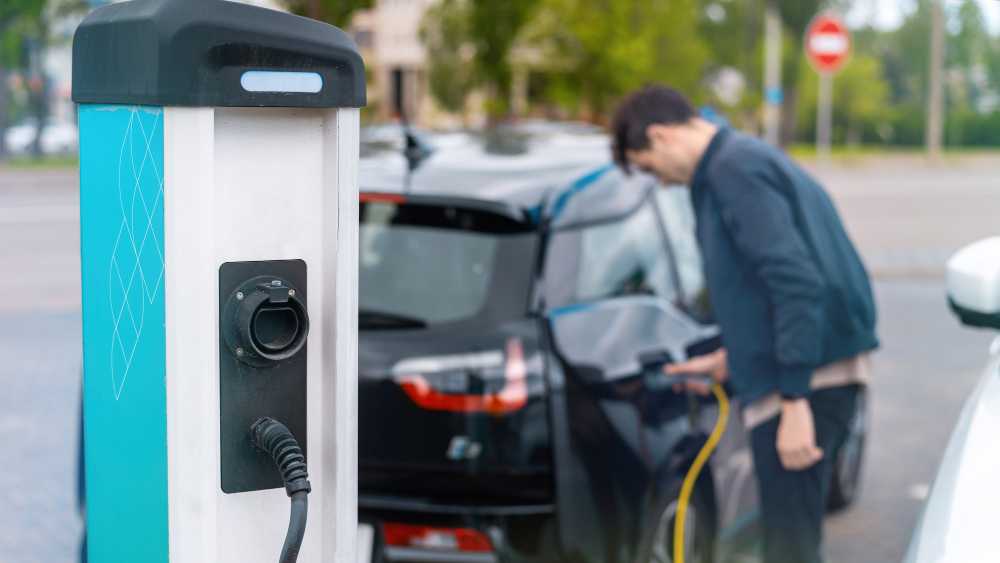
EV charging cost is one of the first things Atlanta drivers ask: Is home charging really cheaper than gas? What do public fast chargers like Tesla or Electrify America actually cost here? Let’s break it down in plain English, with quick examples you can skim and use today. EV charging cost.
The short answer (and why it varies)
- Home charging in Georgia usually lands around 15–16¢/kWh (the state’s recent average residential electricity price). That makes most at-home miles very affordable.
- Public DC fast charging (the really quick stuff you use on road trips) often ranges ~$0.40–$0.65/kWh in and around Atlanta, depending on the network, time of day, and membership plans. For example, Electrify America has Atlanta-area Pass pricing reported around $0.64/kWh, and Tesla Superchargers commonly float near ~$0.41/kWh on average nationally (local sites vary). Always check the app before you plug in.
What you’ll actually pay: two quick Atlanta-style examples
Example 1 — At home (overnight):
Mid-size EV uses ~30 kWh/100 miles. At ~15.6¢/kWh, that’s about $4.68 per 100 miles—often less than a latte.
Example 2 — On the road (DC fast charging):
Same 100 miles at $0.64/kWh comes out to about $19.20 per 100 miles. Still cheaper than many gas cars per-mile, but notably more than home charging.
Trip-stop estimate:
Adding ~70% to a ~72 kWh battery (about 50 kWh) costs ~$7.90 at home vs ~$32 at $0.64/kWh on a fast charger. (Your car’s efficiency and battery size will nudge these up or down.)
EV charging cost in Atlanta: what influences your bill
1) Where you charge
- Home: You pay your residential electricity rate (plus a tiny bit for charging losses). Georgia’s recent average: ~15.6¢/kWh. Some utilities also offer EV-friendly off-peak rates and small Level-2 charger rebates.
- Public Level 2: Often free to modest fees at workplaces, hotels, and shopping centers. Check the station/app.
- Public DC fast charging: Time-of-day pricing and membership plans matter (e.g., Tesla, Electrify America). Expect ~$0.40–$0.65/kWh in many cases.
2) When you charge
- Some networks use peak/off-peak pricing. Late-night or off-peak sessions can be meaningfully cheaper; look at the app’s live price before starting a session.
3) How fast you need it
- Faster = pricier. DC fast charging (150–350 kW) usually costs more per kWh than Level 2 because you’re paying for speed and convenience.
4) Local market factors
- Georgia’s electricity costs shift with overall demand and infrastructure investments. Recent reporting highlights mild upward pressure on power prices tied to data-center growth—another reason home off-peak charging helps your wallet.
Pro tips to keep your Atlanta EV charging cost low
- Do most charging at home (overnight). If your utility offers an off-peak EV rate, enroll.
- Use memberships on the go. Both Tesla and Electrify America offer plans that can lower per-kWh rates for frequent users. Always compare in-app pricing before you start.
- Watch idle fees. Move your car when you’re done—many networks charge extra if you stay plugged in after charging completes.
- Plan stops smartly. One efficient 20–30 minute session at a reliable site often beats multiple short top-ups.
Atlanta context: availability keeps improving
The City of Atlanta requires new buildings to include EV-ready parking, making it easier to find charging where you live, work, and shop—good news for long-term cost and convenience. ACBR+1
FAQs: EV charging cost in Atlanta
Q1: Is home charging always cheaper than public fast charging?
Usually, yes. Georgia’s average residential rate (~15.6¢/kWh) undercuts many DCFC prices (often ~$0.40–$0.65/kWh). If you can charge overnight, you’ll typically pay far less per mile. U.S. Energy Information Administration+1
Q2: What does a “full charge” cost at home?
Multiply your battery size (kWh) by your rate. Example: 60 kWh × $0.156 ≈ $9.36 from 0–100% (you rarely charge 0–100% day-to-day).
Q3: How can I see the exact public price before I plug in?
Open the network’s app (Tesla, Electrify America, ChargePoint, etc.). Pricing is station-specific and can change with demand and time of day.
Q4: Do memberships really help?
Often. Networks offer lower per-kWh rates for members—handy if you fast-charge weekly. Check the fine print and your typical usage.
Q5: Any local rebates to lower my costs?
Georgia Power periodically offers Level-2 charger rebates and EV-friendly rate options—worth a quick check before you install.
TL;DR pricing cheat card
- Home: ~15–16¢/kWh → roughly $4.50–$5.00 per 100 miles for many EVs.
- Public DC fast: often ~$0.40–$0.65/kWh in the Atlanta area (check app for live rates).
Bottom line: If you can charge at home overnight, you’ll pay the lowest EV charging cost most of the time. On road trips, use apps to compare DC fast-charging prices and lean on memberships to save more. EV charging cost.