

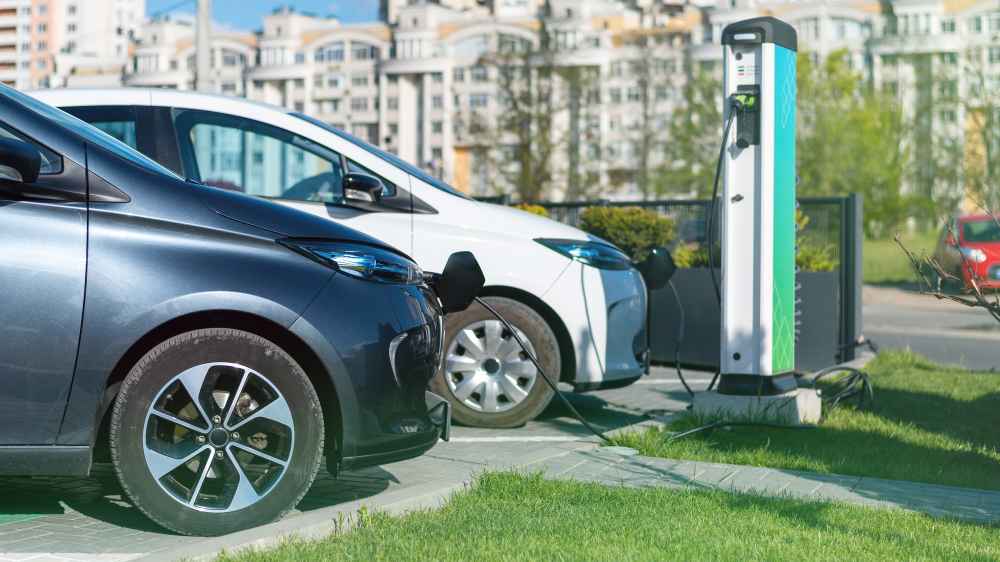
Choosing the right vehicle charging systems isn’t just about faster charging. It’s also one of the biggest secrets to keeping your EV battery healthy for years. If you’ve ever wondered things like:
- “Am I damaging my battery by fast charging too much?”
- “Should I install a Level 2 charger at home?”
- “Does charging to 100% hurt long-term battery life?”
- “What’s the best charging routine for daily driving?”
You’re not alone. EV battery life is one of the biggest concerns for new and experienced EV owners across the US. The good news? You have more control than you think — and it mostly comes down to using the right vehicle charging system in the right way.
Let’s break this down in simple, friendly, real-world language.
Why Your Charging System Actually Matters
Your battery is the heart of your EV. And just like your phone battery behaves differently depending on how you charge it, EV batteries respond to charging habits too.
The right charging setup helps:
- Keep battery temperature stable
- Reduce wear on battery cells
- Maintain long-term capacity
- Improve charging efficiency
- Reduce dependence on fast charging
- Protect overall battery health
Think of it like giving your battery a healthy lifestyle instead of stressing it out daily.
Understanding Battery Health (Without the Tech Overload)
Lithium-ion batteries — what most EVs use — last the longest when:
- They stay between 20%–80% most days
- They avoid constant fast charging
- They charge slowly and steadily at home
- They stay in a comfortable temperature range
Your charging system plays a direct role in all four.
How the Right Vehicle Charging System Extends Your Battery Life
Let’s break down exactly how the right charging setup helps your EV last longer.
1. Level 2 Home Charging = Healthier Daily Charging
Slow, steady charging is the key to long battery life.
A Level 2 charger gives your EV:
- Safe charging speeds
- Reduced heat buildup
- Overnight charging convenience
- The ability to stop at 80% automatically
- Less stress on battery cells
It’s like letting your battery recharge at a calm, steady pace instead of sprinting.
Example:
A Tesla or Hyundai Ioniq 5 charged overnight to 80% using Level 2 will keep more long-term battery capacity compared to someone fast charging daily.
2. Avoiding Daily Fast Charging Prevents Battery Wear
DC fast charging is amazing — especially for road trips. But daily use can cause:
- Higher battery temperature
- Faster battery aging
- Reduced long-term capacity
Fast charging is like eating fast food: great sometimes, not every day.
Use it when you need it — not out of convenience.
3. Smart Charging Features Protect Your Battery
Most EVs come with smart tools built into the charging system:
- Scheduled charging (charge during cooler hours)
- Charge limit settings (stop at 80%)
- Battery preconditioning
- Thermal management systems
These aren’t optional — they’re powerful tools designed to extend battery life.
Pro tip:
Set your charge limit to 80% for daily use and 100% only when you need full range.
4. Temperature Control is Everything
Battery temperature is one of the biggest factors in long-term health.
The right charging system keeps your battery protected by:
- Avoiding charging in extreme heat
- Allowing the EV’s cooling system to regulate temperature
- Charging at night when temperatures are lower
- Preventing unnecessary heat generation
If you’ve ever grabbed your phone when it’s hot after charging, you already know how temperature affects performance.
5. Consistent Charging Routines Reduce Stress
Batteries love consistency.
A simple routine like:
- Plug in at night
- Stop at 80%
- Charge slowly
- Avoid dropping below 10%
…will add years to your battery’s life.
The right vehicle charging systems make this routine easy and automatic.
Signs You’re Using the Wrong Charging Method
If you notice any of these, it’s time to adjust:
- Your EV feels like it’s losing range faster
- You rely on fast chargers daily
- Your charging port or cable gets hot
- You repeatedly charge from 0% to 100%
- Your battery drains faster in hot weather
- You have no Level 2 charger at home
These issues are fixable with better charging habits.
Real-World Example: The “Road Trip vs Daily Use” Rule
A friend bought a Ford Mustang Mach-E and used DC fast chargers every single day because it felt quicker and easier.
After a year, his long-range battery showed noticeably more wear compared to others with similar mileage.
Another driver with the same car charged mostly at home on Level 2 and only fast charged on trips.
Their battery health? Almost perfect after two years.
Same car.
Different charging systems.
Very different results.
FAQs About the Right Vehicle Charging Systems and Battery Life
1. Does charging to 100% damage the battery?
Not always — but doing it daily is not recommended. Save 100% charges for road trips.
2. How often should I use fast charging?
Use it when you need it, not every day. Occasional DC fast charging won’t hurt your battery.
3. Is a Level 2 charger really necessary?
If you want convenience, faster charging, and better battery health — yes. Most US EV owners install one.
4. What temperature is best for charging?
Mild temperatures are best. Extreme heat or cold slows charging and can affect battery health.
5. Does slow charging always help the battery?
Yes. Slow charging produces less heat and stress, making it healthier for long-term battery care.
Final Takeaway
Choosing the right vehicle charging systems can absolutely extend your EV’s battery life. Slow home charging, smart charging habits, temperature control, and limited fast charging all play a huge role in keeping your battery strong for years.
If you want maximum range, minimal battery wear, and long-term value, your charging choices matter more than you think. The right vehicle charging systems make it easy to protect your battery — every single day.