
Alternative Energy Resources are becoming increasingly attractive for homeowners, businesses, and communities looking to control rising utility bills. Have you noticed your energy costs creeping up year after year? Are you wondering whether solar panels, wind power, or other renewable energy options are actually worth the investment?
You’re not alone.
Many people are looking for ways to reduce their dependence on traditional energy sources while protecting themselves from unpredictable energy prices. The good news is that alternative energy solutions are becoming more accessible, more efficient, and more affordable than ever before.
Let’s explore how alternative energy resources can help lower long-term energy expenses while providing additional financial and environmental benefits.
Why Energy Costs Continue to Rise
Before discussing solutions, it’s important to understand why energy costs often increase over time.
Several factors can impact utility rates:
- Fuel price fluctuations
- Infrastructure upgrades
- Increased demand
- Weather-related disruptions
- Regulatory changes
- Supply chain challenges
For many households and businesses, these rising costs make budgeting more difficult.
That’s one reason alternative energy resources continue gaining popularity.
What Are Alternative Energy Resources?
Alternative energy resources refer to energy sources that serve as alternatives to traditional fossil fuels such as coal, oil, and natural gas.
Common examples include:
Solar Energy
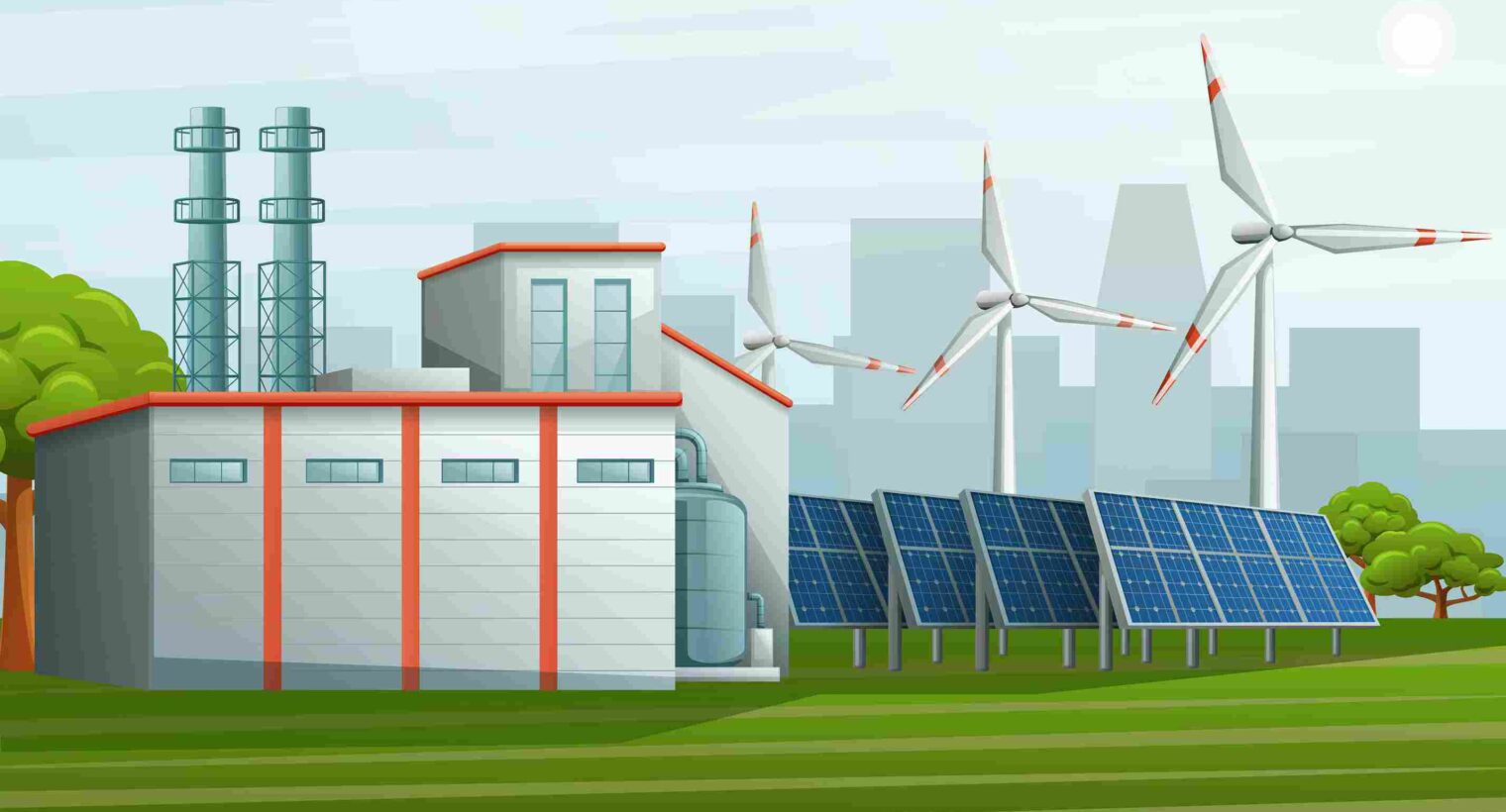
Solar panels convert sunlight into electricity for homes and businesses.
Wind Energy
Wind turbines generate power using natural wind currents.
Hydropower
Water movement is used to generate electricity.
Geothermal Energy
Heat from beneath the Earth’s surface provides power and heating solutions.
Biomass Energy
Organic materials are converted into usable energy.
These renewable energy technologies offer long-term opportunities to reduce energy expenses and improve energy independence.
How Alternative Energy Resources Lower Long-Term Costs
The biggest reason people invest in renewable energy is simple: savings.
Reduced Utility Bills
Once a renewable energy system is installed, it can generate electricity that reduces reliance on utility companies.
Many property owners see significant reductions in monthly electricity costs.
Protection Against Energy Price Increases
Traditional energy rates often fluctuate.
Alternative energy systems allow homeowners and businesses to produce some or all of their own electricity, reducing exposure to future rate increases.
Lower Operating Expenses
Over time, renewable energy systems can help stabilize operating costs.
This is particularly valuable for businesses that depend heavily on electricity.
Solar Energy: The Most Popular Cost-Saving Solution
When discussing alternative energy resources, solar energy is usually the first option people consider.
Why Solar Is Popular
- Abundant energy source
- Proven technology
- Minimal maintenance
- Long equipment lifespan
- Potential tax incentives
Real-Life Example
Imagine two neighbors living in similar homes.
One relies entirely on utility power.
The other installs a solar energy system.
Over several years, the homeowner using solar power may see thousands of dollars in energy savings, especially as electricity rates continue to rise.
Businesses Are Using Alternative Energy Resources to Control Expenses
Commercial facilities often consume large amounts of energy.
Energy-intensive industries can benefit significantly from renewable energy investments.
Examples include:
- Manufacturing facilities
- Warehouses
- Office buildings
- Retail centers
- Data centers
Benefits may include:
- Lower utility costs
- Improved sustainability goals
- Enhanced brand reputation
- Better long-term budgeting
Many organizations now view renewable energy as both a financial and strategic investment.
Energy Independence Is a Major Advantage
One overlooked benefit of alternative energy resources is greater energy independence.
Generating power locally can help reduce dependence on:
- Utility providers
- Imported fuels
- Market volatility
This can be especially valuable during periods of energy uncertainty.
Why It Matters
When energy prices spike unexpectedly, those with renewable energy systems may experience less financial impact.
That added predictability can provide peace of mind.
Government Incentives Can Improve Savings
Many renewable energy projects qualify for incentives that help reduce upfront costs.
Potential incentives may include:
- Tax credits
- Rebates
- Grants
- Utility programs
- State-level incentives
These programs can shorten the time it takes to recover the initial investment.
Maintenance Costs Are Often Lower Than Expected
One common misconception is that renewable energy systems require constant maintenance.
In reality, many modern systems are designed for long-term reliability.
For example:
Solar Panels
Typically require:
- Occasional cleaning
- Periodic inspections
Wind Systems
May require:
- Scheduled maintenance
- Equipment inspections
Compared to ongoing fuel purchases, maintenance expenses are often relatively low.
Environmental Benefits Can Lead to Financial Benefits
Reducing emissions isn’t just good for the environment.
It can also create financial opportunities.
Businesses adopting renewable energy may benefit from:
- Sustainability certifications
- Increased customer trust
- Competitive advantages
- Potential ESG opportunities
Consumers increasingly support organizations that invest in cleaner energy solutions.
Challenges to Consider
While alternative energy resources offer many advantages, it’s important to understand potential challenges.
Upfront Investment
Installation costs can be significant depending on the technology.
Site Requirements
Not every property is ideal for every energy source.
Payback Period
Savings accumulate over time rather than immediately.
However, many owners find that long-term savings outweigh initial costs.
The Future of Alternative Energy Resources
The renewable energy sector continues to evolve rapidly.
Emerging trends include:
- Battery energy storage
- Smart energy management systems
- Improved solar efficiency
- Expanded charging infrastructure
- Grid modernization
As technology improves, renewable energy solutions are expected to become even more affordable and accessible.
Frequently Asked Questions
What are alternative energy resources?
Alternative energy resources are energy sources that provide alternatives to traditional fossil fuels. Common examples include solar, wind, hydroelectric, geothermal, and biomass energy.
How do alternative energy resources save money?
They help reduce dependence on utility-supplied electricity and can lower monthly energy bills while protecting against future energy price increases.
Is solar energy the most affordable renewable energy option?
Solar energy is often one of the most practical and widely adopted renewable energy solutions for homes and businesses due to declining equipment costs and available incentives.
How long does it take to recover the cost of a renewable energy system?
The payback period varies based on system size, energy usage, local utility rates, incentives, and installation costs.
Are alternative energy resources reliable?
Modern renewable energy systems are highly reliable when properly designed, installed, and maintained.
Final Thoughts
Investing in Alternative Energy Resources can be one of the smartest long-term financial decisions for homeowners and businesses seeking greater control over energy expenses. By reducing reliance on traditional utility providers, protecting against future rate increases, and taking advantage of available incentives, renewable energy solutions can deliver meaningful savings over time. As technology continues to advance and adoption grows, the value of Alternative Energy Resources will likely become even more compelling for those looking to lower long-term energy costs.