
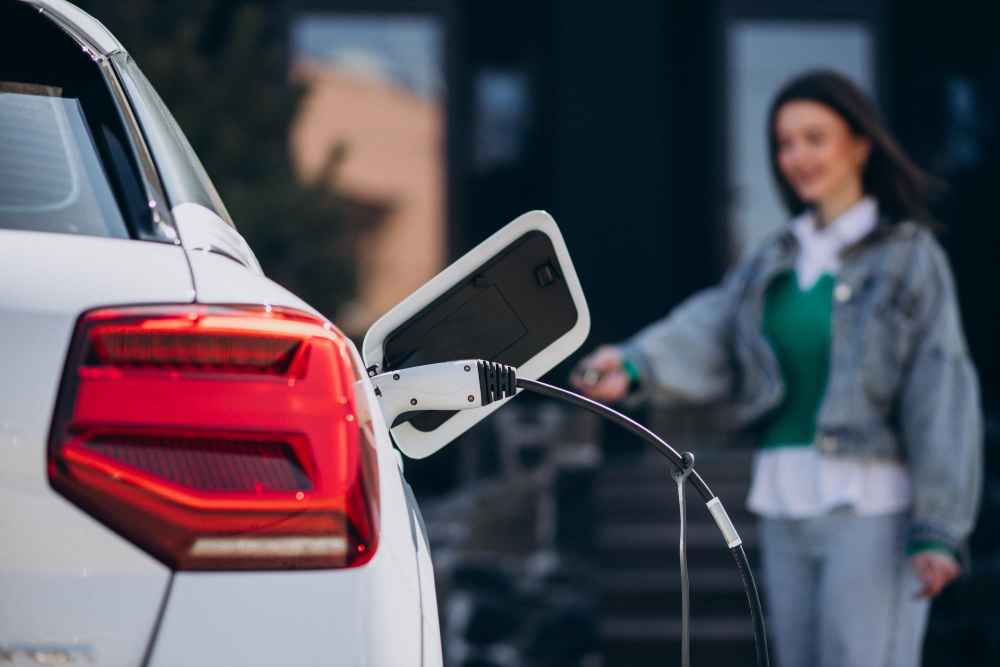
EV Charging Station—everyone’s asking: Will it get faster? Cheaper? Easier to find at 2 a.m.? If you’ve ever arrived on 5% and crossed your fingers, this guide is for you. Let’s talk about what’s changing (fast), what’s hype, and how to make smarter decisions today—no engineering degree needed.
The 30-Second Snapshot
- Speeds are jumping from “coffee break” to “quick pit stop.”
- Reliability is improving as networks chase higher uptime.
- Connectors are consolidating (hello, NACS) to reduce adapter chaos.
- Smart pricing + home integration (V2G) will save money and stabilise the grid.
- Wireless and curbside charging are moving from demo to deployment.
Trend #1: Ultra-Fast Becomes the Default
What’s new: 350–500 kW DC hubs, better cooling, smarter battery preconditioning.
What you’ll feel: Shorter stops—aim for 20–80% and you’re out in a snack’s time.
Driver tips
- Pre-route to a fast hub with 4+ stalls; more stalls = fewer waits.
- Precondition the battery (if supported) so you actually get those headline speeds.
- Charge little and often on road trips—topping to 100% is usually slower overall.
Trend #2: Reliability, Uptime & Real-Time Transparency
What’s new: Networks prioritise uptime SLAs, proactive maintenance, and in-app live status.
What you’ll feel: Fewer “out of order” screens and shorter queues.
Quick checks
- Look for recent check-ins and photos in community apps.
- Prefer hubs with an on-site attendant or 24/7 support number.
- Keep one backup station pinned within a 5–10 minute detour.
Trend #3: Connector Consolidation (NACS, CCS & the Adapter Era)
What’s new: Broad industry support for NACS, continued CCS availability, CHAdeMO sunset in many places.
What you’ll feel: Fewer cables to guess at, better cross-compatibility.
Action list
- Know your primary connector and carry one reliable adapter.
- When car-shopping, confirm native NACS or NACS-ready hardware.
Trend #4: Smarter Pricing, Subscriptions & Fleet Perks
What’s new: Dynamic (time-of-day) pricing, session fees, loyalty discounts, and fleet plans.
What you’ll feel: More ways to save if you’re flexible.
Money savers
- Charge off-peak when possible; schedule charging at night.
- Compare per kWh vs per minute—slow winter charging on per-minute rates can cost more.
- For businesses/fleets: negotiate a fleet plan and set driver rules in your policy.
Trend #5: Battery Storage + Solar Can Cut Queues (and Costs)
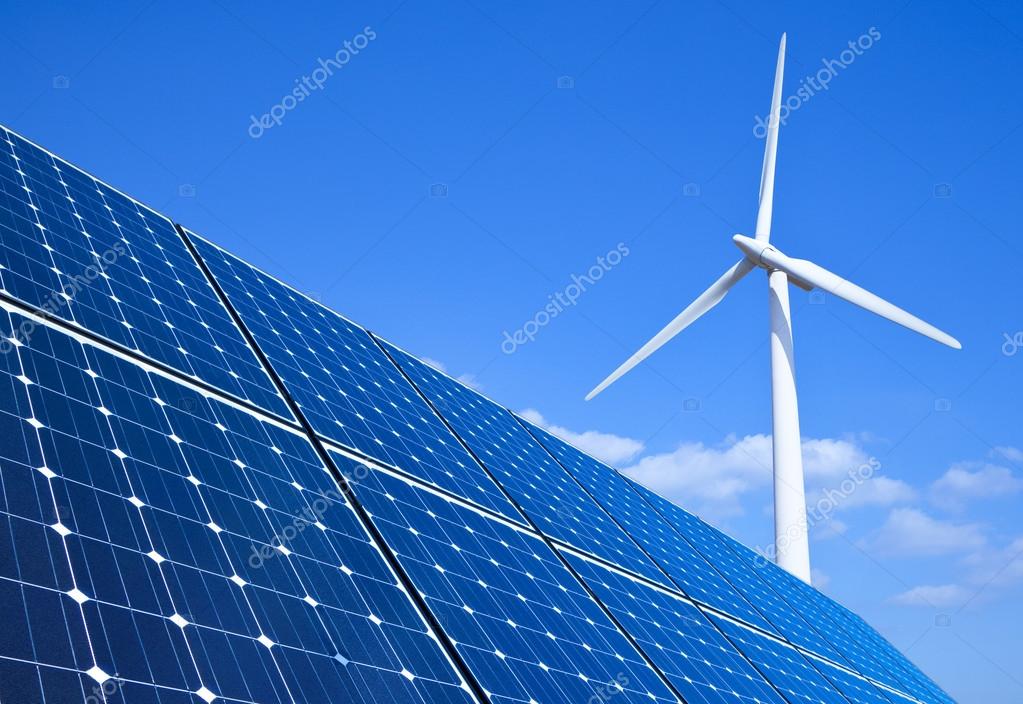
What’s new: Sites add on-site batteries and solar canopies to buffer the grid.
What you’ll feel: More stable speeds during busy periods and potential price smoothing.
Why it matters
- Storage lets hubs deliver high power without overloading local infrastructure.
- Solar + storage can keep stalls running during brief grid hiccups.
Trend #6: V2H/V2G—Your Car as a Power Source
What’s new: Bidirectional tech (vehicle-to-home/grid) goes mainstream on select EVs.
What you’ll feel: Backup power in outages; future bill credits for returning energy.
Starter playbook
- If you own a home, watch for V2H-ready chargers and utility pilot programs.
- Pair with time-of-use tariffs—charge cheap, discharge when rates spike.
Trend #7: Wireless, Curbside & “Invisible” Charging
What’s new: Wireless pads in parking bays, discreet curbside posts, and smart bollards.
What you’ll feel: Fewer cables, more charging “just happens” where you park.
Who benefits most
- City drivers, apartment residents, taxis/rideshare, delivery fleets.
Trend #8: Apartments, Retail & Workplace = Everyday Fuel
What’s new: Buildings treat charging as a core amenity—assigned bays, reservations, bundled pricing.
What you’ll feel: More routine top-ups during your normal day.
If you manage a property
- Start with Level 2 plus a few DC fast bays for turnover.
- Add simple rules: posted pricing, idle fees, max time limits.
- Offer QR-code help signage and a 24/7 support line.
Real-World Mini-Stories (Coffee-chat style)
- The school-run saver: One parent schedules a daily Level 2 top-up during after-school activities—no more Sunday night charging panic.
- Weekend road-warrior: A couple targets multi-stall DC hubs at retail plazas—bathroom, coffee, 20-minute top-up, back on the road.
- Small business win: A café adds two chargers; revenue rises from longer dwell time and repeat EV customers.
Quick Planner: What to Do This Month
- Drivers:
- Save 2–3 fast hubs on your usual routes.
- Add your connector + adapter to your glove box checklist.
- Turn on battery preconditioning before fast stops.
- Site owners / Property managers:
- Audit demand: who will charge, when, how long.
- Mix Level 2 for dwell + DC fast for turnover.
- Implement idle fees, clear signage, and contact info.
Safety & Etiquette (Because good vibes matter)
- Park centred, don’t block neighbouring cables.
- Move when done—fast stalls are not parking spots.
- Re-holster the cable; keep connectors off the ground.
- At night, choose well-lit hubs with recent positive reviews.
FAQs: The Future of the EV Charging Station
Q1. Will charging speeds get much faster soon?
Yes. More 350–500 kW hubs are rolling out, but your car’s peak rate and battery temperature still determine real-world speed. Preconditioning helps.
Q2. Should I wait for NACS before buying an EV or charger?
If you’re buying today, check if the car is NACS-ready or supported via adapter. Networks are adding NACS; CCS remains widespread during the transition.
Q3. How will pricing change?
Expect more time-of-day pricing and memberships. Off-peak is your friend; per-kWh billing is clearer than per-minute for most drivers.
Q4. Is wireless charging worth it?
Early days. It’s super convenient for taxis/fleets and accessibility, but expect slightly lower efficiency at first and higher hardware costs.
Q5. What is V2G/V2H in simple terms?
Your car can act like a big battery—powering your home in an outage (V2H) or supporting the grid for credits (V2G). Availability depends on your EV and charger.
Q6. I manage an apartment building—where do I start?
Install metered Level 2 for residents, add reservations/IDLE fees, keep a few guest bays, and plan for conduit capacity expansion.
Q7. How do I ensure reliability at my site?
Choose hardware with strong warranties, enable remote diagnostics, schedule preventive maintenance, and publish a 24/7 support number.
Closing Line
The future looks bright: faster stops, smarter pricing, and charging that blends into daily life—so you can plan less and live more with every EV Charging Station.