

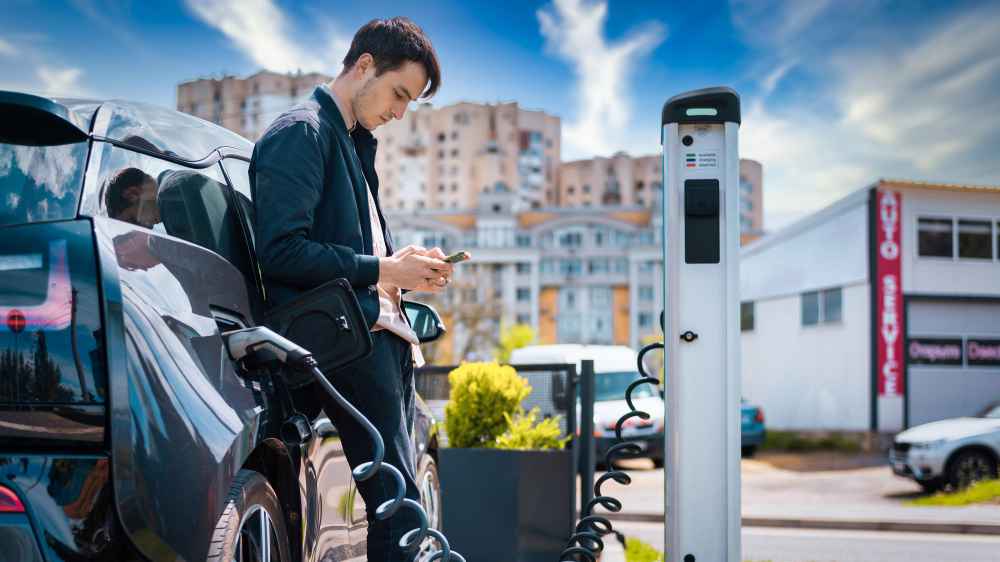
Have you ever thought about switching to an electric vehicle but paused and asked yourself, “Where am I actually going to charge this thing?”
Or maybe you’ve wondered if EVs really make sense in the South, where cities are spread out and road trips are part of daily life.
That hesitation is real. And it’s exactly why Atlanta’s EV charging approach stands out.
Atlanta didn’t just add chargers and hope for the best. The city built a system that fits how people actually live, drive, and work in the South. That’s why cities like Charlotte, Nashville, Birmingham, and even parts of Florida are paying close attention.
Let’s break down what Atlanta is doing right, without the tech jargon.
Atlanta’s EV Charging Didn’t Happen by Accident
Atlanta didn’t wake up one day and decide to go electric. The city made deliberate, practical moves over several years.
Here’s what shaped the foundation:
- Heavy daily commuting across metro Atlanta
- Strong corporate presence with sustainability goals
- Federal and state EV incentives
- Partnerships between utilities, private companies, and local government
Instead of relying on one big solution, Atlanta focused on layered access. That’s a key reason the system works.
Chargers Where People Actually Go
One major reason Atlanta’s EV charging network feels usable is placement.
Rather than hiding chargers in random corners, they’re showing up in places people already visit:
- Grocery stores and shopping centers
- Apartment complexes and condos
- Office parks and corporate campuses
- Hotels, airports, and convention areas
- Highway corridors and commuter routes
This reduces range anxiety fast. You’re not planning your day around charging. Charging fits into your day.
That’s the difference other Southern cities are trying to copy.
A Smart Mix of Charging Speeds
Atlanta didn’t overdo fast chargers or slow chargers. The city went for balance.
You’ll see:
- Level 2 chargers in neighborhoods, offices, and retail areas
- DC fast chargers along highways and high-traffic zones
Why that matters:
- Level 2 works great for workdays, errands, and overnight charging
- Fast chargers support road trips and quick top-ups
Southern cities watching Atlanta are realizing that one-size-fits-all doesn’t work. Atlanta’s EV charging network adapts to different driving habits.
Power Companies That Actually Showed Up
A big win for Atlanta has been the involvement of local utilities.
Georgia Power and other energy partners didn’t just supply electricity. They helped plan, fund, and expand charging access.
That collaboration led to:
- Incentives for businesses to install chargers
- Rebates for homeowners and property managers
- Grid planning that supports future EV growth
Many Southern cities struggle here because utilities stay on the sidelines. Atlanta brought them to the table early.
EV Charging at Apartments and Condos Changed the Game
Let’s be honest. Not everyone has a garage.
Atlanta tackled this head-on by pushing EV charging into multi-family housing.
This helped:
- Renters feel confident buying EVs
- Property owners stay competitive
- Neighborhood adoption grow faster
Other Southern cities are now realizing that without apartment-friendly EV charging, adoption stalls. Atlanta solved that bottleneck early.
Equity Was Part of the Plan, Not an Afterthought
One reason Atlanta’s EV charging model gets national attention is its focus on access.
The city made a point to expand charging into:
- Underserved neighborhoods
- Public parking areas
- Community hubs and transit-adjacent zones
This isn’t just good policy. It’s smart planning.
When EV charging is limited to wealthy zip codes, adoption stays slow. Atlanta understood that growth comes from broad access, not exclusivity.
Businesses Benefited, Not Just Drivers
Another lesson other Southern cities are learning from Atlanta is how EV charging boosts local business.
Here’s what’s happening:
- Shoppers stay longer when charging is available
- Offices use chargers as employee perks
- Hotels attract EV-driving travelers
- Developers market properties as future-ready
Charging stations became economic tools, not just infrastructure. That mindset shift matters.
Why Other Southern Cities Are Watching Closely
Cities across the South face similar challenges:
- Sprawling metro areas
- Hot weather affecting range
- Car-dependent lifestyles
- Older infrastructure
Atlanta proved these challenges aren’t deal-breakers.
What they’re learning:
- Start with partnerships, not mandates
- Focus on convenience first
- Mix public and private investment
- Build for today but plan for scale
Atlanta’s EV charging success didn’t come from copying California. It came from designing solutions that fit Southern realities.
Real-World Example: A Day in Atlanta
You live in a mid-rise apartment in Buckhead. There’s a Level 2 charger in your building’s garage. You plug in overnight.
The next day, you drive to work in Midtown. Your office complex has shared EV chargers. You top off again.
That evening, you stop at a grocery store with fast chargers in the parking lot. By the time you’re done shopping, your car is ready.
No stress. No planning apps. No anxiety.
That’s what functional EV charging looks like in real life.
FAQs About Atlanta’s EV Charging Infrastructure
Is Atlanta good for EV owners?
Yes. Atlanta is considered one of the most EV-friendly cities in the South due to charger availability, incentives, and growing infrastructure.
How many EV charging stations are in Atlanta?
The metro Atlanta area has thousands of public and private charging ports, with new installations added every year.
Are there enough fast chargers for road trips?
Yes. Major highways and travel corridors around Atlanta are increasingly supported by DC fast chargers.
Can apartment renters charge EVs in Atlanta?
More apartment complexes now offer EV charging, and incentives encourage property owners to install them.
Why are other Southern cities behind?
Many started later, lack utility involvement, or focused too narrowly on limited locations.
The Bigger Picture
Atlanta didn’t chase headlines. It focused on making EV charging normal.
That’s why other Southern cities are watching, learning, and slowly following the same path.
As electric vehicles continue to grow, Atlanta’s EV charging approach shows that progress doesn’t have to be flashy. It just has to work.
And that’s exactly why Atlanta’s EV Charging keeps setting the standard.