

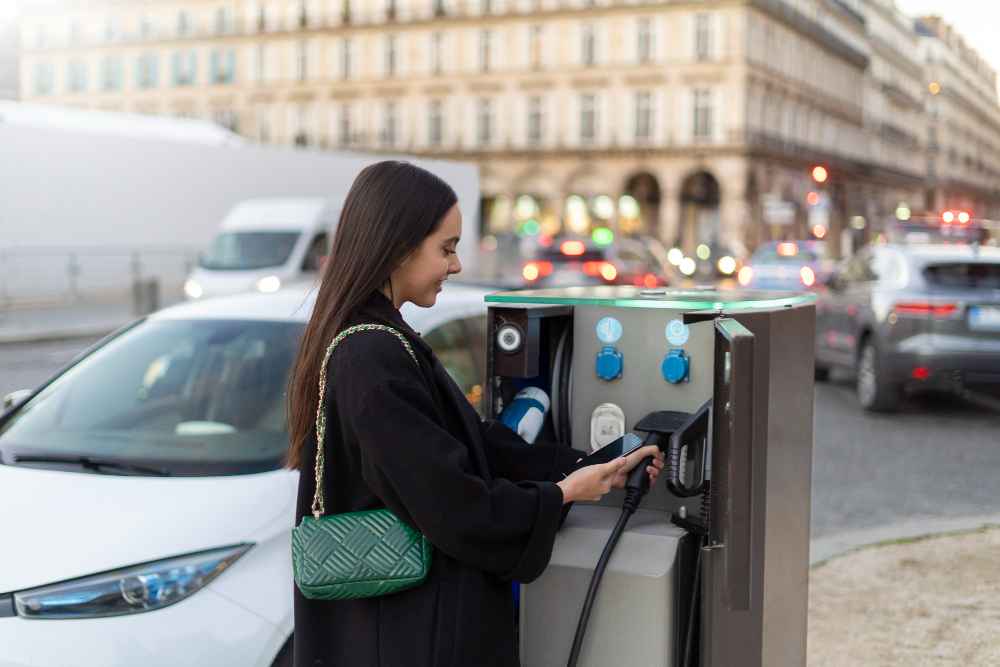
EV Charging Costs — have you noticed your charging sessions creeping up in price lately? Maybe you plugged in at a public fast charger in Atlanta and thought, “Wait… wasn’t this cheaper last year?” Or maybe you’re considering switching to an electric vehicle and wondering if charging is still a money saver in 2026.
Let’s break it down in plain English. No tech overload. Just real numbers, real talk, and what it actually means for Georgia drivers.
What’s Happening With EV Charging Costs in Georgia?
Short answer?
Yes, EV Charging Costs have risen slightly in 2026 — but it depends on where and how you charge.
Here’s what’s influencing prices:
- 🔌 Higher electricity rates in some parts of Georgia
- ⚡ Growth in DC fast charging stations
- 🏗 Infrastructure expansion across metro Atlanta
- 💰 Demand increases as more drivers go electric
But before you panic — it’s not all bad news.
Home Charging vs Public Charging: Big Difference
1️⃣ Charging at Home (Still the Cheapest Option)
If you charge overnight at home in Georgia, especially with Georgia Power’s time-of-use rates, you’re still getting the best deal.
Average home charging cost in 2026:
- Around $0.12–$0.15 per kWh
- Roughly $12–$18 for a full charge (depending on battery size)
For most drivers:
- Monthly cost = $40–$70
- Still cheaper than gas for comparable mileage
One Alpharetta Tesla owner told me his monthly electricity bill went up about $55 after switching from gas — but he used to spend $180 on fuel. That math still works.
2️⃣ Public Level 2 Chargers
These are the slower chargers you see at:
- Shopping centers
- Office buildings
- Apartments
- Downtown Atlanta parking decks
2026 rates in Georgia:
- $0.20–$0.30 per kWh
- Sometimes flat parking fees added
Still reasonable — but not the cheapest option long term.
3️⃣ DC Fast Charging (Where Costs Add Up)
Here’s where drivers feel it.
DC fast chargers — like Electrify America, EVgo, Tesla Superchargers — are faster but more expensive.
2026 Georgia average:
- $0.35–$0.55 per kWh
- Peak pricing in busy areas
Translation?
A fast charge session could cost:
- $20–$35 depending on battery size
That’s still competitive with gas in many cases — but it’s no longer “super cheap.”
Why Are EV Charging Costs Increasing?
Let’s keep it simple.
🔺 Electricity Rate Adjustments
Georgia Power and other utilities have seen rate increases due to:
- Grid upgrades
- Fuel cost adjustments
- Infrastructure investment
🔺 Charging Network Expansion
Building more stations across Georgia isn’t cheap. That investment gets baked into pricing.
🔺 Demand Growth
More EVs on the road = more peak usage = dynamic pricing at some stations.
But here’s the important thing:
Even with increases, EV charging is generally still cheaper than gas per mile in Georgia.
Is Driving Electric Still Worth It in 2026?
Let’s compare roughly:
Gas Vehicle (25 MPG, $3.50 per gallon):
- $140 for 1,000 miles
EV (Home Charging at $0.14/kWh):
- $45–$60 for 1,000 miles
Even if you rely on public fast chargers, EV drivers often still come out ahead — especially with fewer maintenance costs.
No oil changes.
No transmission repairs.
No spark plugs.
That adds up.
Tips to Lower Your EV Charging Costs in Georgia
Want to keep your costs down? Here’s what savvy drivers are doing:
- ✅ Charge overnight on off-peak rates
- ✅ Install a Level 2 home charger
- ✅ Use charging network memberships
- ✅ Avoid peak-time DC fast charging
- ✅ Monitor kWh pricing before plugging in
Little habits = big savings.
What About Rural Georgia?
If you’re outside metro Atlanta — think Macon, Savannah outskirts, North Georgia — charging options are growing, but:
- Fast chargers may be limited
- Pricing may vary by provider
- Planning ahead matters more
Apps like PlugShare or ChargePoint help avoid surprises.
The Bigger Picture: 2026 and Beyond
Georgia is investing heavily in EV infrastructure. That means:
- More charging stations along I-75, I-85, and I-20
- Expanded fast charging networks
- Incentives for commercial charging
In the short term, costs may fluctuate. Long term? Competition and scale could stabilize or even reduce EV Charging Costs.
FAQs About EV Charging Costs in Georgia
1. Are EV Charging Costs higher in 2026 than 2025?
Yes, slightly — mainly at public DC fast chargers. Home charging remains relatively stable.
2. Is home charging cheaper than public charging?
Almost always. Charging at home during off-peak hours is the most cost-effective option.
3. How much does it cost to fully charge an EV in Georgia?
Typically $12–$18 at home. Public fast charging can range from $20–$35.
4. Are EV charging prices expected to keep rising?
Short term fluctuations are possible, but long term competition and infrastructure growth may stabilize pricing.
5. Is driving an EV still cheaper than gas in Georgia?
For most drivers, yes — especially when charging primarily at home.
Final Thoughts
If you’ve been wondering whether EV Charging Costs are rising in Georgia, the answer is yes — but not dramatically, and not everywhere.
Home charging remains the sweet spot. Public fast charging costs more, but it’s about convenience, not everyday use.
At the end of the day, electric vehicles in Georgia still offer strong savings compared to gas — even with the slight bumps in EV Charging Costs.